
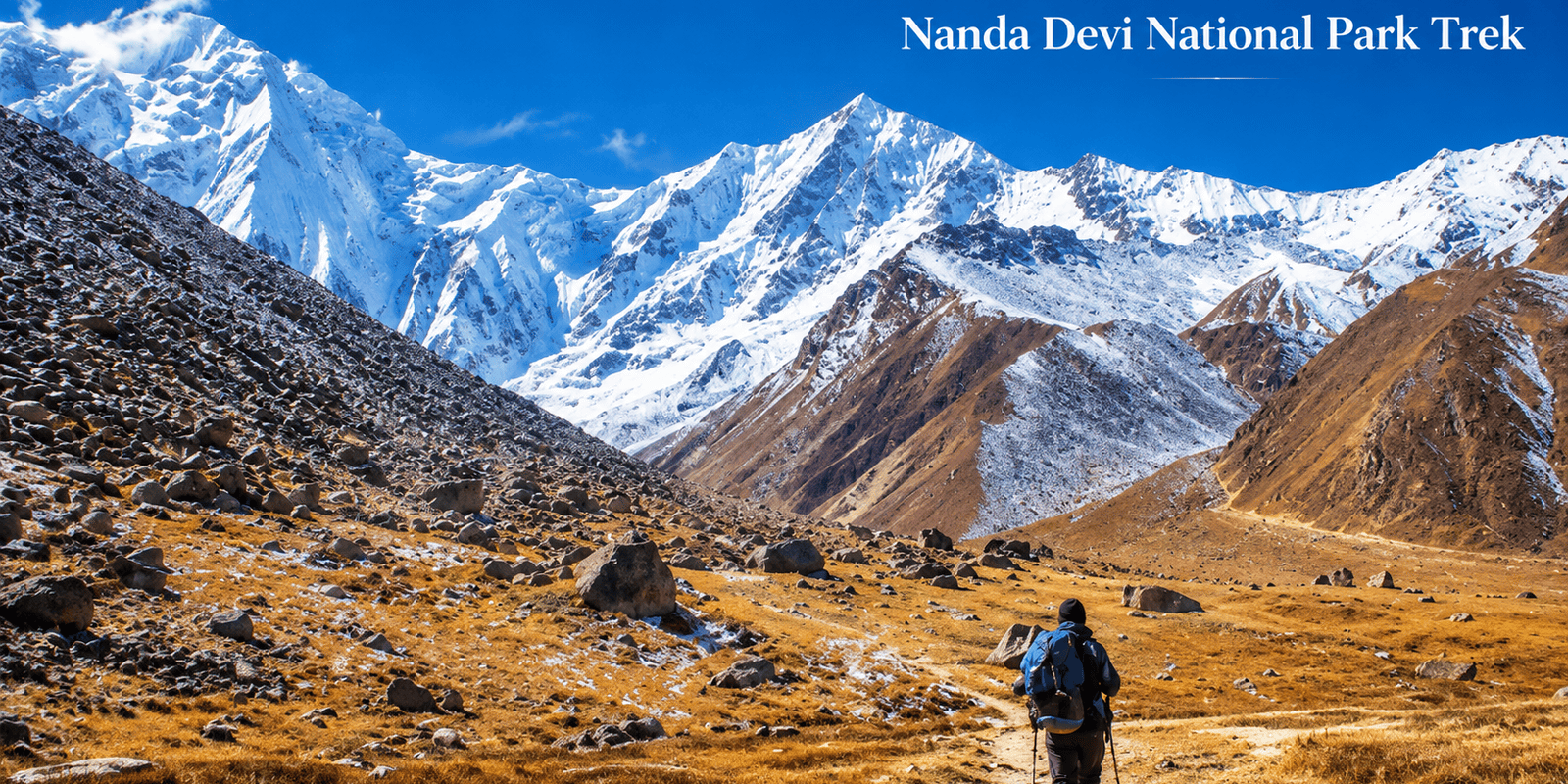
The Nanda Devi National Park Trek takes travelers into one of the most remote and spectacular mountain landscapes in Uttarakhand. Surrounded by towering peaks, deep gorges, alpine meadows and rare Himalayan wildlife, this region feels far removed from busy cities and crowded tourist routes. Located in the Western Himalayas, the park forms part of the Nanda Devi and Valley of Flowers UNESCO World Heritage property and is known for its exceptional natural beauty and biodiversity.
Unlike many popular Himalayan treks, this is not a destination where you simply arrive and start walking. Access is carefully regulated to protect the fragile environment. Permits, permissions, and local regulations are important, so travelers should check the latest requirements before planning their journey.
What Makes Nanda Devi National Park Special?
Nanda Devi is much more than a mountain destination. It is a protected wilderness where nature remains the main attraction.
The area is part of the Nanda Devi Biosphere Reserve, which includes important high-altitude habitats and supports species such as the snow leopard, Himalayan musk deer, bharal and Himalayan tahr. The reserve also has rich alpine vegetation and birdlife.
The landscape includes:
- High Himalayan peaks
- Alpine meadows
- Glacial landscapes
- Deep mountain gorges
- Dense forests
- Rare Himalayan wildlife
- Traditional mountain villages
- Peaceful and remote surroundings
Nanda Devi rises to 7,817 meters and is the central landmark of this extraordinary Himalayan wilderness. UNESCO describes the national park as a rugged, high-altitude landscape surrounded by glaciers, moraines and alpine meadows.
Nanda Devi Trek Uttarakhand: Where Is It?
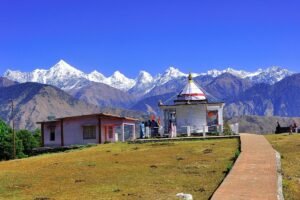
The park is located in Uttarakhand, primarily associated with the Chamoli region and the upper Himalayan landscape. Chamoli is an important gateway for several mountain journeys in this part of the state.
For travelers planning the Nanda Devi trek in Uttarakhand, Joshimath is particularly important. Official Uttarakhand Tourism information states that the trekking approach starts and ends at Joshimath, with the route reaching the Lata area by road before continuing foot.
This makes Joshimath a useful base for arranging transport, accommodation, local support, and the required permissions.
Nanda Devi Trek Route: What to Expect
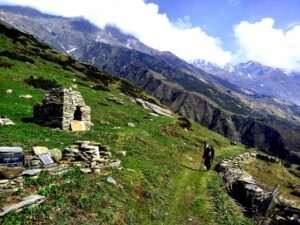
The Nanda Devi trek route is very different from a simple recreational walk. It involves rugged Himalayan terrain, steep sections, and significant changes in altitude.
According to Uttarakhand Tourism, the approach is considered moderate to difficult, with an altitude gain of more than 7,000 feet over approximately five days. The route passes through forests, flower-covered areas, and a spectacular glacial basin.
A broad outline can include:
| Stage | What to Expect |
| Joshimath | Main base for preparation and arrangements |
| Lata Village | Road-access point and starting area for the trek |
| Forest & Mountain Trails | Gradual climb through Himalayan terrain |
| High-Altitude Landscape | Alpine scenery, meadows and rugged slopes |
| Return | Descend back towards the road head and Joshimath |
Important: The exact route, access points and permitted areas can change according to park regulations, weather and local conditions. Travelers should always confirm the current route before departure.
Nanda Devi National Park Permit: What Travelers Should Know
One of the most important things to understand about Nanda Devi National Park trekking is that access is restricted.
The area is environmentally sensitive, and tourism is regulated to reduce pressure on the ecosystem. Uttarakhand Tourism states that the reserve can be accessed with permits and permissions, while UNESCO notes that tourism inside the protected landscape is carefully regulated.
Before travelling, make sure you:
- Check out the latest entry regulations.
- Confirm whether a permit is required for your planned route.
- Use authorized local guides or operators where required.
- Carry valid identification and necessary documents.
- Follow instructions from forest and park authorities.
- Avoid entering restricted areas without permission.
Rules can change, so relying on an old trekking blog or outdated itinerary is not advisable.
Nanda Devi Trek Best Time to Visit
Choosing the right season can make a major difference to you Himalayan experience.
The official tourism information says the reserve generally remains open from May to October, with the best visiting period extending up to September.
For the Nanda Devi trek best time, travelers should consider the following:
May to June:
A good period for mountain scenery, with the landscape beginning to open after winter.
July to August:
The monsoon can bring rain, slippery trails, and difficult road conditions. Travel requires extra caution.
September:
Often considered a favorable period, with clearer mountain views and more stable trekking conditions than the peak monsoon months.
October:
Temperatures can fall considerably, and conditions may become more challenging at higher elevations.
Always check the weather and current access status before traveling.
Wildlife and Natural Beauty
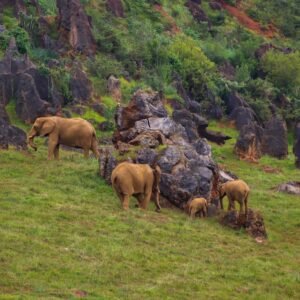
One of the most memorable parts of the journey is the chance to experience the Himalayan ecosystem.
The protected area is home to several important species, including:
- Snow leopard
- Himalayan musk deer
- Bharal or blue sheep
- Himalayan tahr
- Asiatic black bear
- Himalayan brown bear
UNESCO identifies the area as an important habitat for threatened Himalayan wildlife and highlights its outstanding biodiversity.
However, wildlife sightings are never guaranteed. The purpose of travelling here should be to experience wilderness respectfully rather than to chase animal sighting.
What to Pack for the Trek
Good preparation is essential for a high-altitude journey.
Basic Packing Checklist
- Warm and waterproof layers
- Comfortable trekking shoes
- Waterproof backpack cover
- Thermal clothing
- Sunglasses and sunscreen
- Reusable water bottle
- Personal medicines
- Basic first-aid supplies
- Headlamp or torch
- Gloves and woollen socks
- Lightweight rain protection
- Identification and required permits
Pack according to the season and the latest guidance from your trekking operator or local authorities.
Responsible Travel in the Nanda Devi Region
The beauty of this region also makes responsible travel extremely important.
The Nanda Devi landscape has remained relatively undisturbed because of its remoteness and strong protection measures. UNESCO notes that the national park has been protected from major human pressures, and that access is carefully managed.
Travelers can help by following a few simple principles:
- Carry your waste back.
- Avoid single-use plastic whenever possible.
- Stay on designated trails.
- Do not disturb wildlife.
- Respect local communities and traditions.
- Do not collect flowers, plants, or stones.
- Follow all forest and park regulations.
A responsible trek helps protect the same wilderness that makes the journey special.
Why Choose a Himalayan Journey to Nanda Devi?
The biggest attraction is not one particular viewpoint or photograph. It is the feeling of entering a landscape where nature dominates everything around you.
The Uttarakhand Himalayas offer dramatic scenery, but Nanda Devi has a particularly remote character. The combination of high mountains, glacial terrain, alpine landscapes and limited access creates an experience that feels genuinely different from more commercial trekking destinations.
For travelers who prefer nature, quiet landscapes and authentic Himalayan experiences, this region can be an unforgettable part of an India journey.
If you are planning a wider luxury or tailor-made India holiday, you can also explore carefully planned itineraries and Himalayan travel experiences through Imperial India Escapes
Final Thoughts
The Nanda Devi National Park Trek is not simply about reaching a destination. It is about experiencing one of Uttarakhand’s most protected and dramatic Himalayan landscapes, where mountains, forests, wildlife, and local communities come together. With proper planning, the right permissions and respect for the environment, a journey into the Nanda Devi region can become one of the most meaningful Himalayan experiences in India.
Frequently Asked Questions
Is Nanda Devi National Park open to tourists?
Access is restricted and regulated. Certain areas may be available through authorized, permitted tourism, while other areas remain protected. Always check the latest official rules before traveling.
What is the difficulty level of the Nanda Devi trek?
The official Uttarakhand Tourism information describes the approach as a moderate-to-difficult trek, with significant altitude gain.
What is the best time for the Nanda Devi trek?
The reserve generally operates during the May-to-October period, with official tourism information identifying the period up to September as favorable. Weather and access conditions should still be checked before departure.
Do I need a Nanda Devi National Park permit?
Access is regulated and requires permits or permissions for the applicable areas and routes. Requirements can vary, so confirm the latest regulations before your trip.
Can I see snow leopards during the trek?
Snow leopards are among the important species found in the region, but sightings are rare and never guaranteed. Travelers should focus on experiencing the natural environment rather than expecting wildlife sighting.